The Mystic Estate journal
Miniature Poodles: Everything Future Owners Should Know
Mystic Estate · July 14, 2026

There is a reason Miniature Poodles attract families who want more than a beautiful dog. They are bright, expressive, athletic companions who notice everything happening around them. They can learn household routines remarkably quickly, join an active family for outdoor adventures, and then settle close to their people at the end of the day.
That appealing combination also comes with real responsibilities. A Miniature Poodle needs thoughtful training, daily activity, regular coat care, and meaningful time with the family. This miniature poodle breed guide explains the practical side of living with the breed so you can decide whether the fit feels right for your home.
Miniature Poodle breed guide at a glance
- Adult height: More than 10 inches and no more than 15 inches at the shoulder under the AKC standard
- Typical weight: Often around 10–15 pounds, with normal individual variation
- Personality: Bright, attentive, affectionate, playful, and often alert
- Activity: Daily exercise plus training, sniffing, play, or other mental work
- Coat: Curly and relatively low-shedding, but prone to tangles without care
- Grooming: Regular home brushing and professional appointments, often every four to six weeks
- Training style: Short, positive, consistent sessions with clear household rules
- Best fit: Families ready for close companionship, enrichment, and lifelong coat care
Miniature Poodle size: small enough for daily life, sturdy enough for adventure
The American Kennel Club recognizes three Poodle varieties: Standard, Miniature, and Toy. Miniature Poodles stand more than 10 inches and no more than 15 inches at the shoulder under the breed standard. The AKC’s general breed profile lists a typical weight of about 10 to 15 pounds, although individual dogs can fall outside that range depending on build and lineage.
Their size is one of their greatest practical advantages. A Miniature Poodle is compact enough to travel comfortably, live in many types of homes, and be lifted when necessary. At the same time, a well-structured Miniature is an athletic dog—not a delicate ornament. Many enjoy brisk walks, retrieving games, swimming, training classes, and dog sports.
Size alone does not determine whether a dog will thrive in an apartment or smaller home. A Miniature Poodle can adapt beautifully when the family provides exercise, training, enrichment, and a predictable routine. A large backyard is convenient, but it does not replace shared activity or attention.
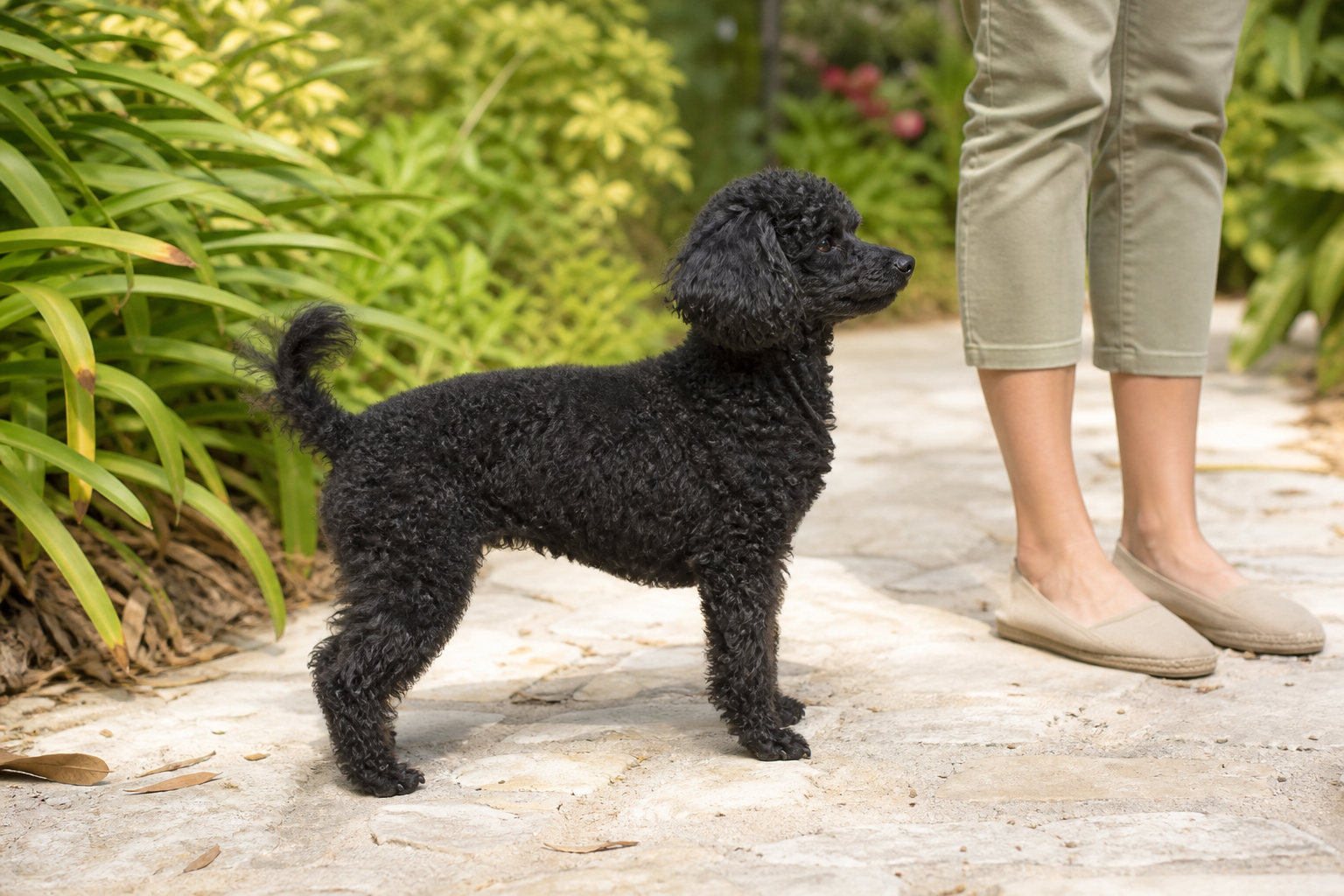
Temperament: attentive, affectionate, and closely connected
Miniature Poodles tend to be highly people-oriented. Many want to participate in whatever their family is doing and become skilled observers of voices, gestures, and routines. They often form strong relationships with more than one family member while still showing individual preferences.
Common breed tendencies can include:
- Affection and a desire to stay near their people
- Quick awareness of changes in the home
- Playfulness that continues into adulthood
- Alert barking when someone approaches
- Sensitivity to harsh handling, tension, or inconsistent rules
- Enthusiasm for learning when training is positive and clear
Temperament is never produced by breed alone. Genetics, early socialization, the mother’s stability, the breeder’s home environment, and the family’s ongoing training all matter. Two puppies from the same litter can have meaningfully different energy levels, confidence, and social styles. This is why responsible placement should consider the individual puppy rather than color or appearance alone.
Intelligence: wonderfully trainable, but not automatically trained
Poodles have a well-earned reputation for intelligence. They are fast learners, excellent pattern-readers, and often eager to work with people. The AKC notes that Poodles can succeed in obedience, agility, tracking, retrieving activities, dock diving, and other canine sports.
That intelligence is most enjoyable when owners provide direction. A bright puppy can learn “sit,” a grooming routine, and a household boundary quickly—but can also learn that barking brings attention or that stealing a sock starts a wonderful chase.
Short, upbeat sessions usually work better than long drills. Reward the behavior you want, keep expectations consistent between family members, and practice useful life skills in the places where your puppy will need them. Early priorities should include:
- Responding happily to their name
- Coming when called
- Settling on a mat or bed
- Comfortable crate and pen time
- Polite leash skills
- Calm handling of feet, ears, face, and coat
- Waiting briefly at doors and food bowls
Mental work matters as much as physical exercise. Food puzzles, scent games, gentle retrieving, and learning new cues help give an intelligent dog an appropriate job.
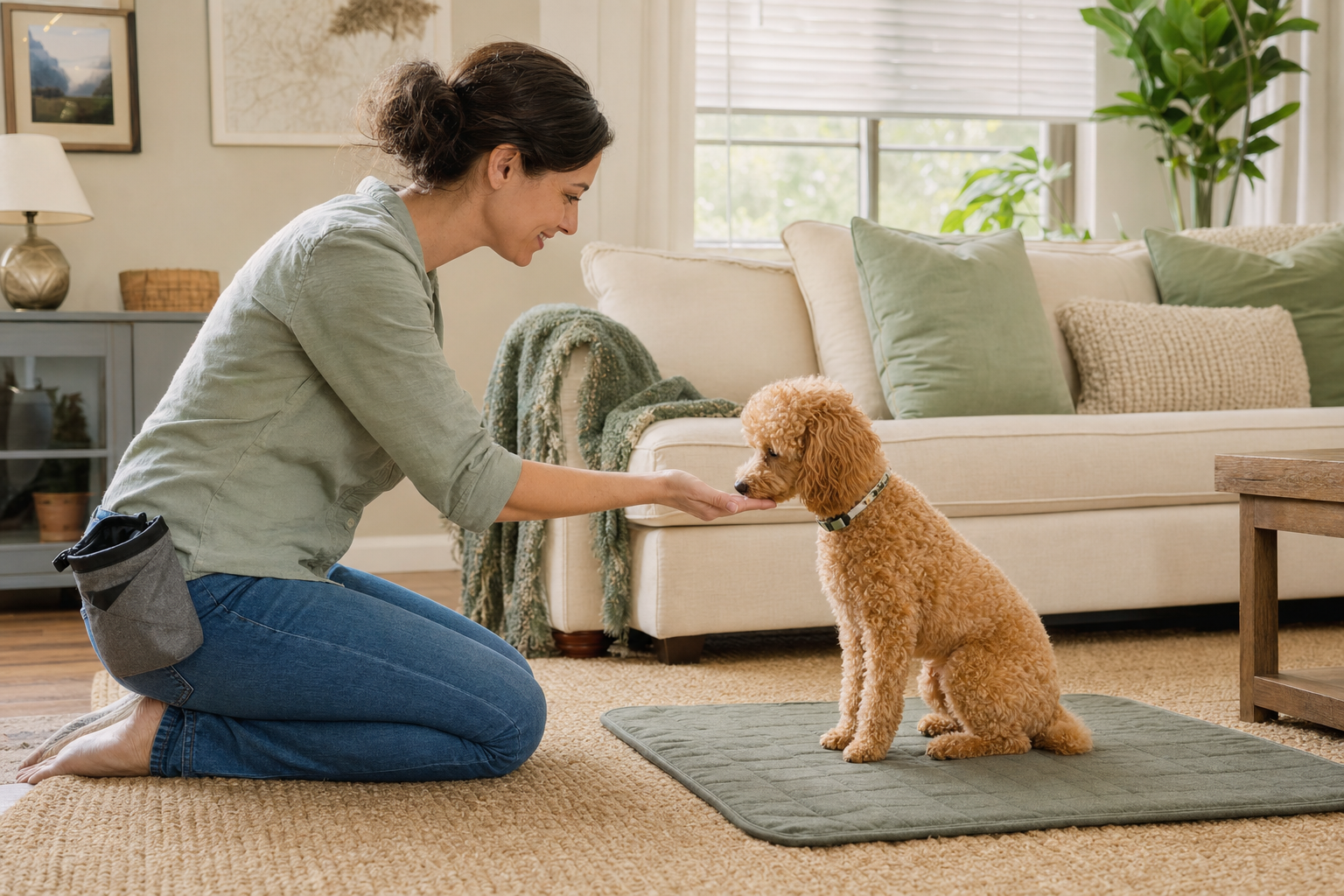
Exercise: daily movement plus mental enrichment
Miniature Poodles are active dogs. Most healthy adults do best with daily opportunities to walk, explore, play, and think. The ideal amount depends on age, health, conditioning, and the individual dog, so there is no single minute-count that fits every Poodle.
A balanced adult routine might combine a purposeful walk, a play or retrieving session, several short training moments, and relaxed sniffing time. Young puppies need a different approach: frequent short play periods and safe exploration, with plenty of sleep, rather than forced long-distance exercise.
For Florida families: Plan outdoor activity around heat and humidity. Walk during cooler parts of the day, bring water, choose shaded routes, and watch the temperature of pavement. Indoor training, scent games, and controlled play can provide useful enrichment when the weather is not safe for strenuous activity.
Grooming: low shedding does not mean low maintenance
The Poodle’s curly coat sheds relatively little, but loose hairs tend to remain in the coat and can contribute to tangles and mats. Coat care is therefore a routine health and comfort responsibility—not simply a beauty choice.
The AKC advises that longer coats require thorough, frequent brushing and notes that many owners schedule professional grooming every four to six weeks. A shorter pet trim can make daily care more manageable, but it does not eliminate brushing, bathing, nail care, ear checks, or regular appointments.
Future owners should budget both time and money for:
- Brushing and combing all the way to the skin
- Professional grooming on a consistent schedule
- Nail trimming
- Ear observation and veterinarian-guided care when needed
- Dental hygiene
- Calm handling practice between appointments
Puppies benefit from gentle grooming preparation long before their first full haircut. Brief, positive sessions involving feet, face, ears, brushing, the sound of equipment, and standing on a nonslip surface can make lifelong care less stressful. Helen’s professional grooming background is part of Mystic Estate’s approach: grooming confidence begins with the puppy’s earliest experiences, not at the first salon visit.
Important allergy consideration: No dog can be guaranteed to be hypoallergenic. People with dog allergies should spend time around Poodles and discuss their individual situation with a medical professional before making a commitment.
Family life: where Miniature Poodles often thrive
Miniature Poodles can be excellent family companions when children are taught respectful dog behavior and adults supervise interactions. Children should learn not to disturb a sleeping or eating dog, pull the coat, carry a puppy unsafely, or crowd a dog who is trying to move away. Every dog needs a quiet retreat where rest is protected.
Many Miniatures also live successfully with other dogs or cats, especially when introductions are gradual and experiences are positive. Compatibility still depends on the individual animals. A thoughtful breeder can help families consider confidence, play style, recovery after surprises, and comfort with handling when discussing a puppy match.
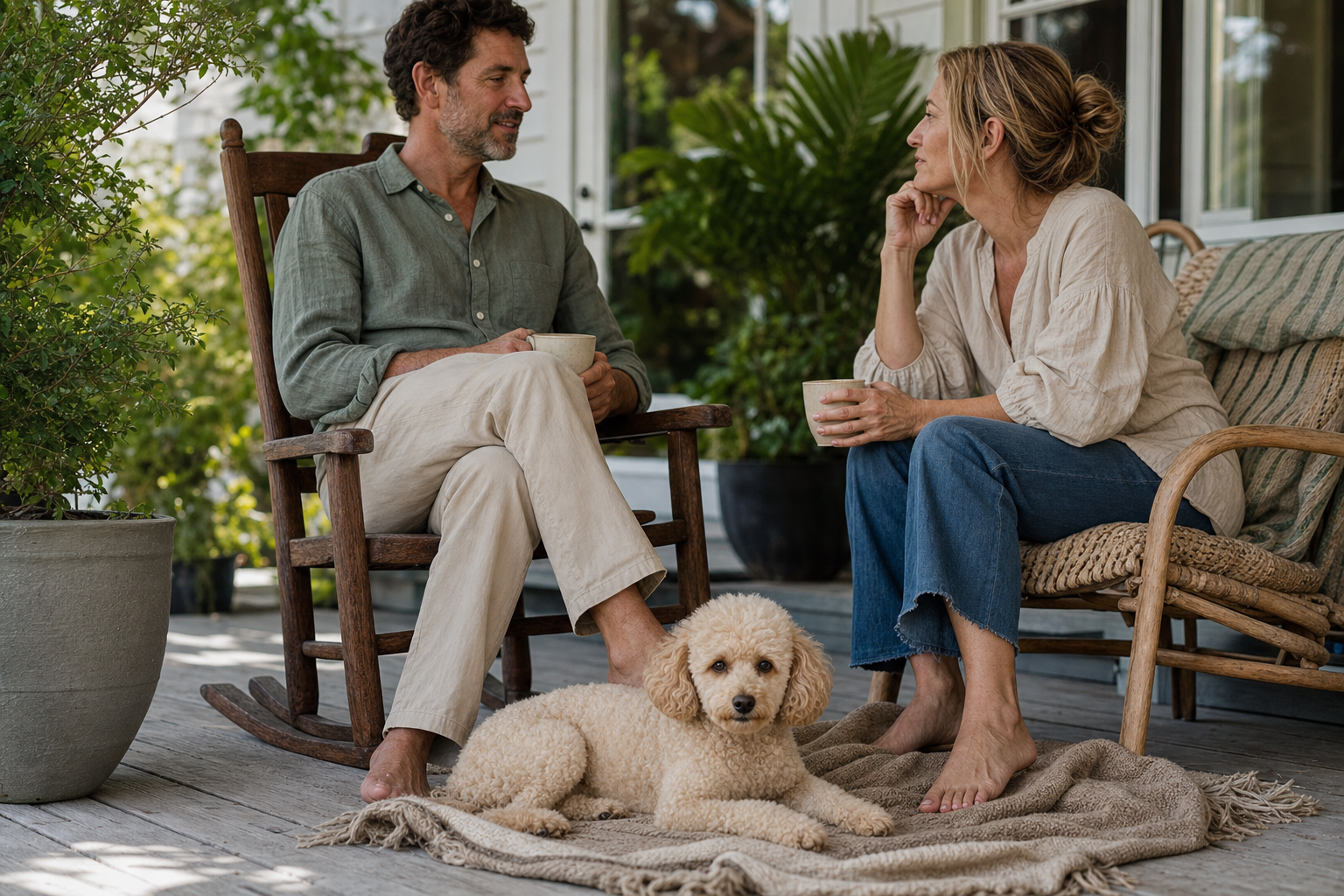
Because Poodles are so connected to people, they may struggle in homes where they are routinely left without companionship or enrichment for very long periods. Alone-time skills should be built gradually, even when someone usually works from home. A puppy who learns that short separations are safe is better prepared for ordinary life changes.
Is a Miniature Poodle right for you?
A Miniature Poodle may be a strong fit if you want a dog who is:
- Highly trainable and engaged with the family
- Active without being large
- Suited to continued learning and enrichment
- Relatively low-shedding
- Comfortable joining many parts of daily life
The breed may be a difficult fit if you want a dog who requires very little grooming, rarely needs interaction, or will be content without consistent training and activity. Their intelligence and coat are two of their greatest attractions, but both ask something meaningful from the owner.
Before choosing a puppy, think beyond the first few months. Consider grooming costs, weekday routines, travel plans, exercise, training support, and how the dog’s needs will be met during busy seasons. The right question is not simply, “Do I love Miniature Poodles?” It is, “Can I offer this dog the daily life in which a Miniature Poodle can thrive?”
Questions future owners often ask
Select a question below to read the answer.
Do Miniature Poodles bark a lot?They can be vocal, especially when something gets their attention. Many Miniature Poodles naturally alert their families to visitors, unfamiliar sounds, or activity outside.
Early socialization, regular enrichment, and training a calm response can help prevent alert barking from becoming excessive. Barking habits still vary from one dog to another.
Are Miniature Poodles good first dogs?Yes, they can be an excellent choice for a committed first-time owner. They are responsive, intelligent, and usually enjoy learning with their families.
New owners should be prepared for consistent training, daily enrichment, and regular professional grooming. Because Miniature Poodles learn quickly, they can pick up unwanted habits just as easily as good ones.
Can a Miniature Poodle live in an apartment?Yes. A Miniature Poodle can adapt well to apartment living. The size of the home matters less than the dog’s daily routine.
Regular exercise, mental stimulation, toilet breaks, and training are essential. Families should also work on calm barking habits and help the dog become comfortable spending short periods alone.
How often does a Miniature Poodle need professional grooming?Many Miniature Poodles are professionally groomed every four to six weeks. The ideal schedule depends on coat length, lifestyle, and the groomer’s recommendation.
Brushing and combing at home are still necessary between appointments to help prevent tangles and uncomfortable mats.
What should matter most when choosing a puppy?Health, temperament, responsible breeding, and compatibility with your home should come first. Look for thoughtful early socialization, transparent health records, and a breeder who takes time to understand your household.
Color, sex, and appearance can be preferences, but they should not be more important than choosing a healthy puppy whose personality and energy level fit your family.
A thoughtful beginning matters
The Miniature Poodle is an extraordinary companion for a family prepared to meet the breed’s mind, body, coat, and emotional needs. With responsible breeding, early grooming preparation, positive training, and a close partnership with their people, these dogs can bring humor, grace, and remarkable connection to everyday family life.
If you are considering a Miniature Poodle in Florida, learn more about Mystic Estate’s home-raised puppies, meet Helen and discover our approach, or start a conversation about the right fit for your family .
Trusted breed resources

From our home to yours.
Meet the puppies behind the stories.
Meet our miniature poodles and tell Helen a little about the home you’re hoping to share.

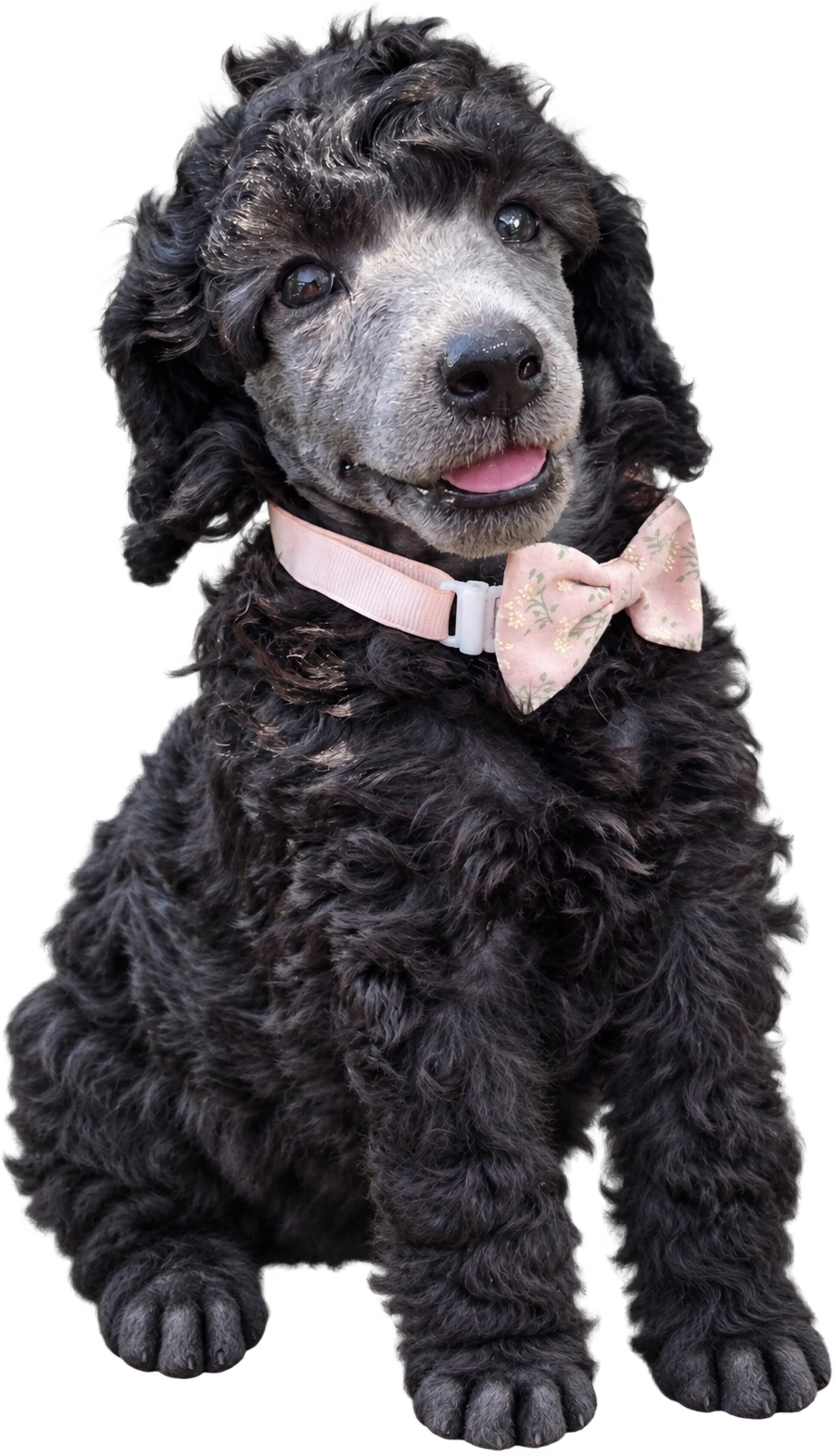
Hi, I’m
Sterling!